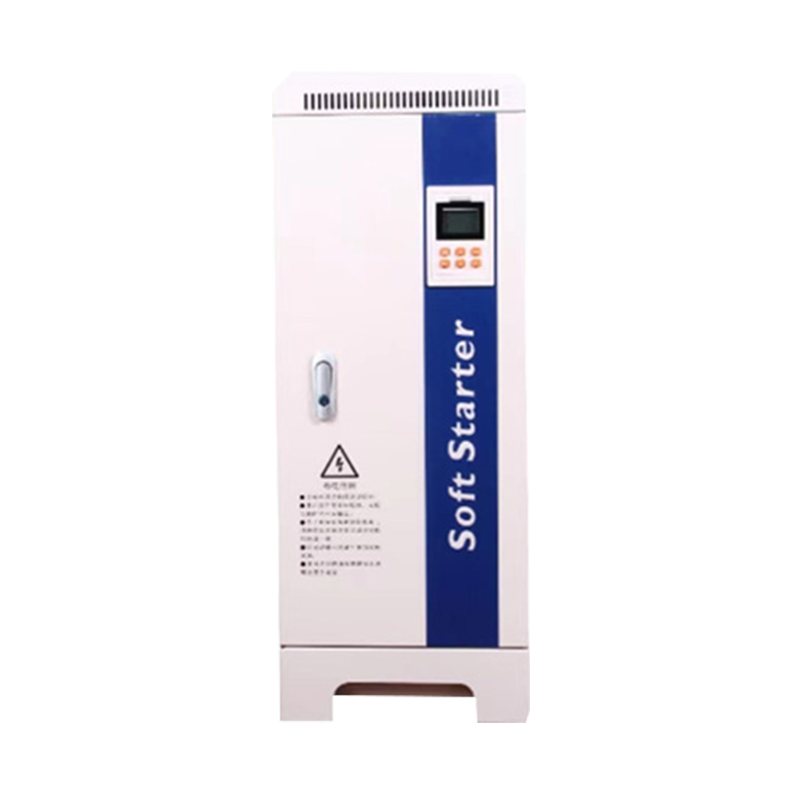
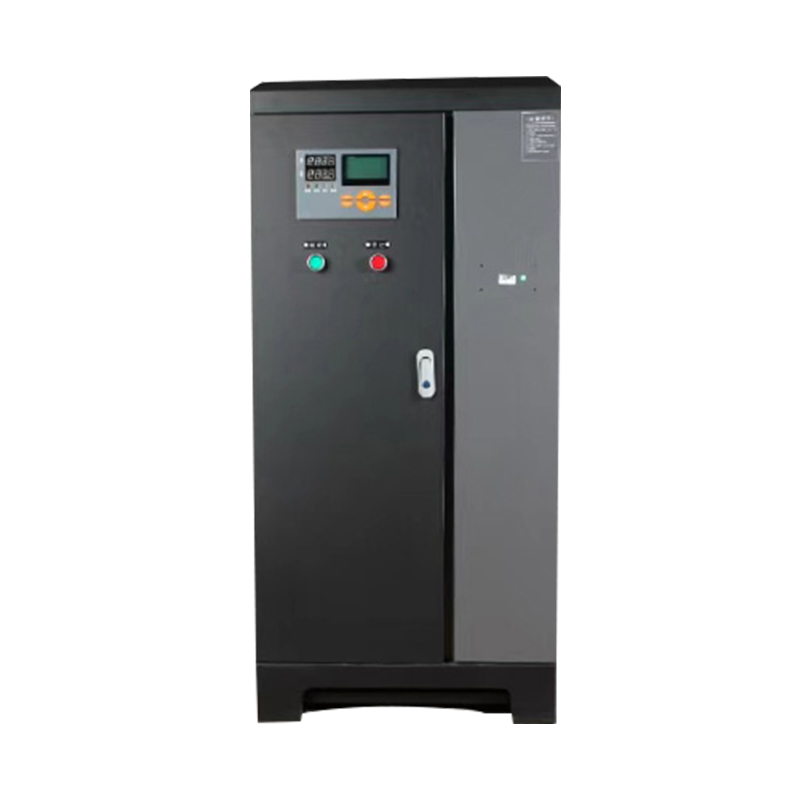
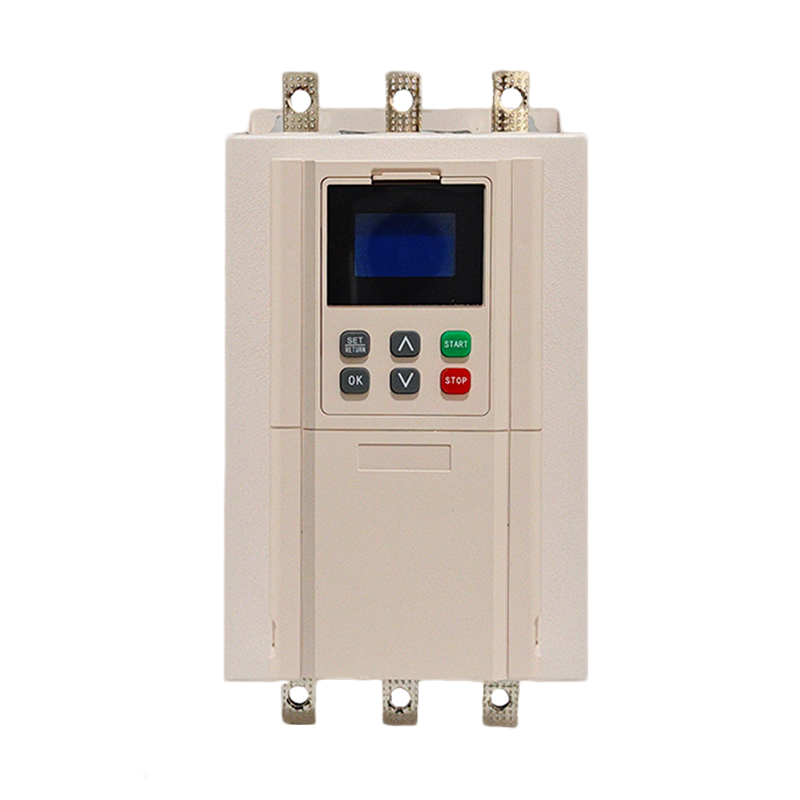
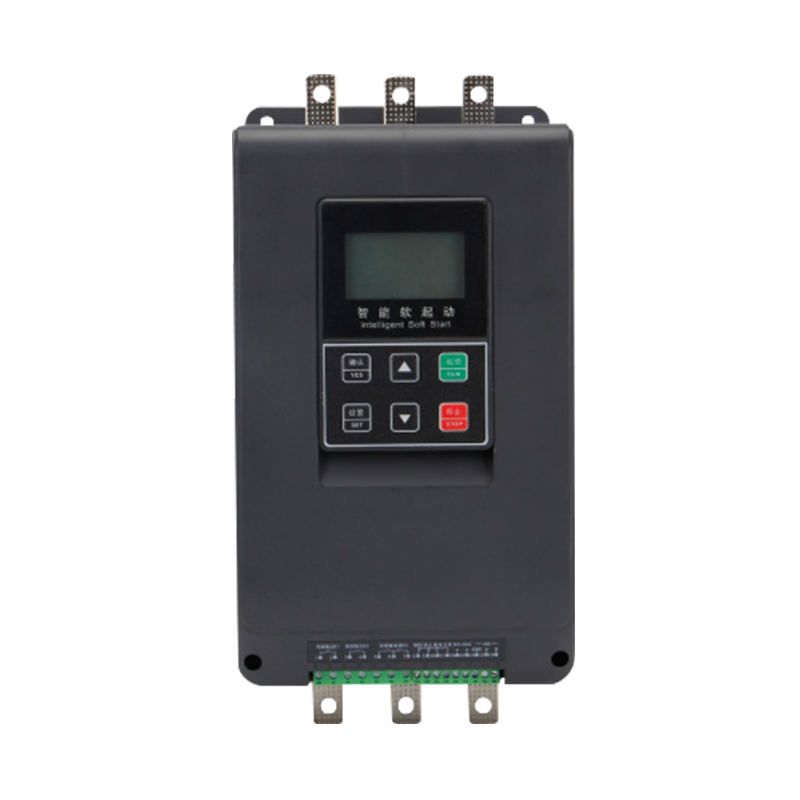
Visitors who come to learn about our motor control systems often ask what sets a Bypass Soft Starter and an External Bypass Soft Starter apart in real project settings. These questions usually cause broader discussions about motor protection, installation conditions, and long-term equipment use. Many of these details are difficult to fully understand without seeing how the equipment is built and tested, which is why an on-site visit provides clarity that brochures alone cannot offer.
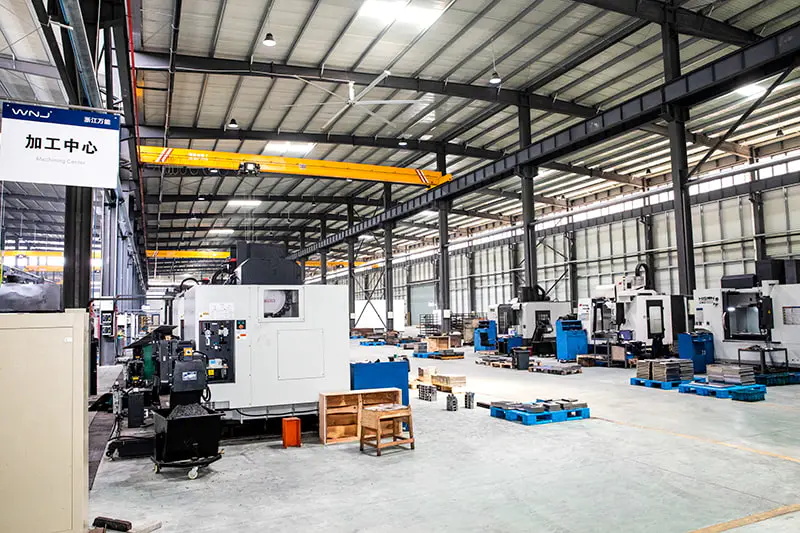
Seeing the Assembly Process Helps Clarify How Soft Starters Work
Standing beside a production line gives a more direct understanding of how current-limited motor starting is achieved. The soft starter modules are assembled in stages: power modules, signal boards, cooling structures, and wiring terminals. For the bypass-type models, you can observe how the internal contactor or the external bypass circuit is integrated.
During a visit, engineers often explain how each component influences thermal performance and response time. For example, the power modules undergo repeated inspections before being mounted onto the heat sink. Understanding these steps makes it easier for users to judge which type of soft starter fits their project conditions.
The goal is not to show “speed of production,” but to let you see how a consistent process forms the foundation of stable operation. By observing the assembly sequence, many customers find answers to installation and maintenance questions they previously overlooked.
A Closer Look at How Bypass Designs Affect Layout and Wiring
Both bypass configurations serve the purpose of letting the motor run directly after the starting phase. However, visiting the factory allows you to compare the two structures side by side. Engineers can point out how an internal bypass model keeps wiring compact, while an external bypass model offers more flexibility for users who want to manage the contactor separately.
Seeing the actual wiring paths provides clarity on panel design. Users working on pump stations, conveyor lines, and ventilation systems often need to consider the available space in the control cabinet. During on-site discussions, it becomes much easier to understand how cable routing and terminal positioning influence installation efficiency.
A guided walk-through also helps visitors understand heat dissipation planning. Instead of relying on general descriptions, you can examine the difference in heat sink layout between models and how spacing is arranged for airflow. These details often influence equipment selection more than the product catalog suggests.
Testing Rooms Reveal Details Invisible in Finished Products
Walking into the testing room is usually where visitors stop asking surface-level questions and start diving into real technical issues. Each batch undergoes high-temperature aging and vibration procedures designed to simulate on-site conditions. Watching these tests explains why certain materials and designs are chosen.
Visitors often notice how the test results guide adjustments in production. For example, during aging tests, engineers observe module temperature curves, relay performance, and waveform stability. Seeing this process helps customers understand how these tests relate to the long-term use of a soft starter in environments such as mechanical workshops or water treatment facilities.
The testing staff can also demonstrate how parameter settings respond to load conditions. This gives users a more intuitive grasp of current limiting, soft-stop functions, and protection actions. Many customers say this part of the visit answers questions they previously struggled to explain over email.
Discussing Real Project Needs Face-to-Face Provides More Practical Insight
Project environments vary widely—underground pump stations, rooftop fan rooms, rural power distribution units, and compact equipment rooms all bring different conditions. During a factory visit, engineers can go through your actual installation drawings, load conditions, and protection requirements.
Talking on site makes it easier to match the soft starter structure to the project:
Users dealing with limited cabinet space often benefit from more compact bypass structures.
Sites requiring manual intervention or independent bypass control may prefer externally bypassed systems.
Projects with continuous operation usually need a clearer explanation of thermal performance and cycling capacity.
Such discussions help you avoid mismatches between product type and application. Many visiting customers comment that seeing the real components, wiring space, and test procedures brings clarity that remote communication cannot provide.
Understanding How Certification and Documentation Support Your Project
During a tour, visitors can review how the product documentation, testing records, and certification materials are kept. Every unit that leaves the workshop has traceable inspection data. When you see how these records are organized, it becomes easier to integrate them into your project handover files.
CCC and ISO9001 certifications often raise questions about how they relate to actual product consistency. Watching how inspection results are recorded before shipment helps clarify this. You can also check how serial numbers link to test results, which is useful for long-term maintenance planning.
For users who work with contractors or EPC teams, having this level of transparency often helps them communicate product details more accurately to their partners.
The tour is not only about viewing machines; it is about understanding how each step—from component selection to final inspection—supports the soft starter you plan to use. If you are considering Bypass Soft Starter or External Bypass Soft Starter solutions for upcoming projects, an on-site visit can help you approach your selection with greater clarity and confidence.


 English
 中文簡體
中文簡體 ????
????


 浙公網(wǎng)安備33038202003754號